
What the ER Taught Me
I have practiced emergency medicine since 2013, and I still work shifts in Lewiston today. The ER is where medicine is at its most decisive. It is also where I see, night after night, the end of stories that started years earlier.
The heart attack in a 52-year-old whose blood pressure and lipids drifted for a decade. The diabetic crisis in someone who was told their sugars were "a little high" and sent home. The exhaustion, weight gain and low mood that nobody had time to work up. By the time these patients reach me, my job is rescue. I am good at rescue. But I kept asking the same question at the end of every shift: where was the medicine that could have changed the story earlier?
What Concierge Care Actually Means
Concierge care is a simple trade: a smaller patient panel in exchange for real access to your physician. At TruForm, that means visits long enough to actually talk, direct communication between appointments, and a plan built around your labs, your goals and your life rather than a billing code.
We are cash-pay by design. Insurance-driven medicine is built to treat diagnoses once they exist. It rarely pays for the slow, careful work of catching a problem early, optimizing what is merely "normal," or adjusting a plan month by month. Removing that middleman lets us spend our time on what matters to you, not on what will be reimbursed.
Why I Chose It
Time. In the ER, I have minutes. In most primary care offices, physicians have about 15. That is not enough to understand a person, and patients feel it. I wanted a practice where I could sit with someone, review every result with them, and answer every question before they leave.
Continuity. Emergency medicine rarely lets me see what happens next. I treat someone at 3 a.m. and never learn how their story ends. I wanted the opposite: to know my patients over years, watch their numbers move, and adjust the plan as their lives change.
Prevention over rescue. Rescue medicine will always matter, and I will keep doing it. But the greatest leverage in medicine is upstream, in hormones, metabolism, body composition, sleep and recovery, long before anything reaches an emergency department. Concierge care is the model that makes that work possible.
Doing it the right way. I co-founded TruForm in 2024 because I wanted physician-led care, grounded in labs and evidence, with honest conversations about what a treatment can and cannot do. Every protocol here is individualized and monitored. If something is not right for you, I will tell you.
What It Looks Like for You
- Unhurried visits with a physician or PA who has read your chart before you walk in
- Direct access between appointments, so a question does not wait three weeks
- Comprehensive labs reviewed line by line, with a plan you understand
- Ongoing adjustment, not a prescription and a goodbye
- One team for hormones, metabolic health, peptides, regenerative care and aesthetics
Most of all, it means being known. Your physician should remember your goals, your history and what worked last time.
The Medicine I Wanted to Practice
I still believe in the ER. I still work there. But I built TruForm to practice the medicine I wish more of my ER patients had received years earlier: personal, proactive and built on a real relationship.
If that is the kind of care you have been looking for, I would like to meet you. Call 207-780-2000 or reach out through our contact page to start the conversation.
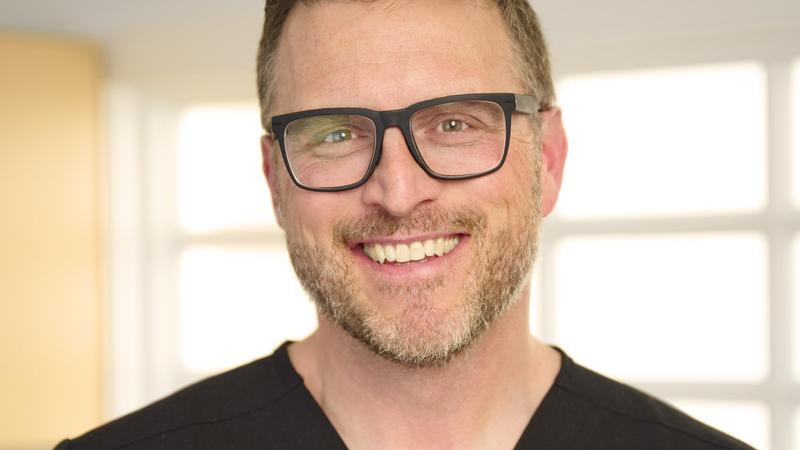
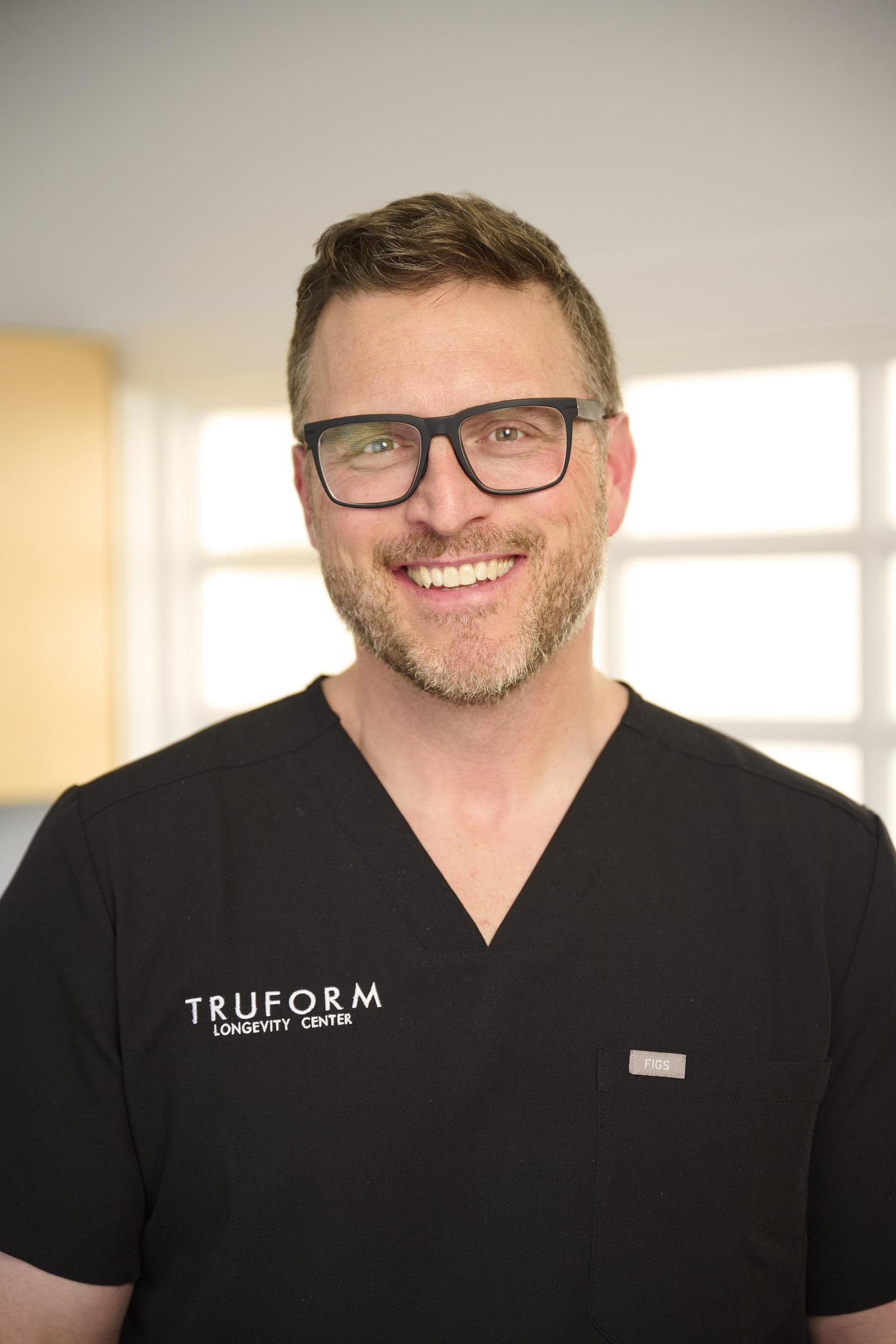
— Andre Couture, DO
Co-Founder & Medical Director, TruForm Longevity Center
Schedule a consultation with TruForm Longevity Center in Falmouth, Maine.